从社会到形式:前卫转向审美
From society to form: the avant-garde goes aesthetic
多数艺术作品的目的并非为了「美」the purpose of most art is not “beauty”
在很长的历史里,艺术更常承担的是宗教敬拜、政治权力展示、公共纪念、道德劝诫、社会批判、个人哀悼等功能。它们并不激发「美」的感受,而是追求真实、崇高、敬畏、同情、恐怖、批判、纪念等更复杂的目标。
- 格吕内瓦尔德《受难》
- 戈雅《1808 年 5 月 3 日》
the shift from classical aesthetics (ideal beauty) to Realist aesthetics (truth)
从古典美学(理想美)到现实主义美学(真),评价标准的重心发生了偏移。
古典美学里,「美」往往与「理想」绑定:人体比例、均衡、节制、清晰的形式秩序被视为可普遍适用的规范。但到了 19 世纪,尤其现实主义兴起后,价值越来越多地与「真」绑定。不是指幻觉主义式的真实,而是指对事实世界与经验的诚实面对。
- 古典:波吕克列托斯《持矛者》【比例法则、和谐均衡与理想化人体】
- 由古典到现实主义:安格尔《大宫女》【学院传统与古典线描 + 身体比例的拉伸与异国情调】
- 现实主义:奥古斯特·罗丹《蹲伏的女人》,埃德加·德加《浴盆》【真实的、偶然的、甚至略显尴尬的身体经验】
Whistler’s “aestheticism”: privileging aesthetic sensation over representation
=> 詹姆斯·惠斯勒(James Whistler),《灰与黑的编排 No.1》Arrangement in Gray and Black No. 1 or Portrait of the Artist’s Mother,1871
=> 惠斯勒,《黑与金的夜曲》Nocturne in Black and Gold or The Falling Rocket,c. 1875
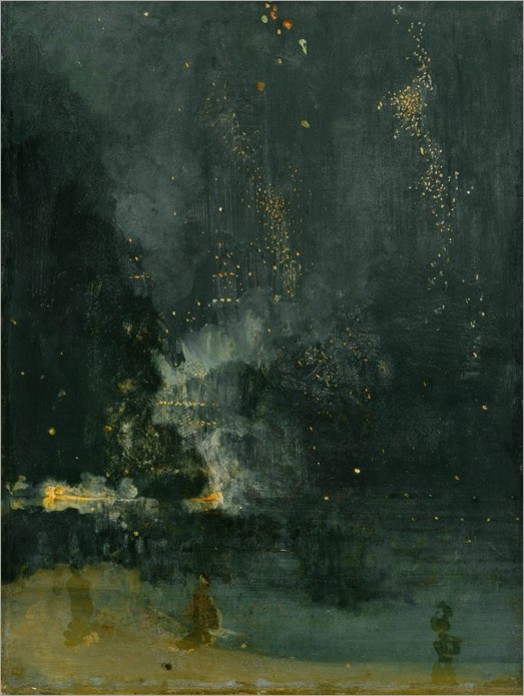
唯美主义主张艺术哲学应独立于所有哲学之外,艺术只能以艺术自身的标准来评判。唯美主义运动呈现著颓废风气,也有着对当时席卷著欧洲的乐观进步主义的反思。唯美主义者追求生活的艺术化,支持「为艺术而艺术」,主张艺术和道德之间没有关联。惠斯勒是著名的唯美主义画家,他认为由色调,构图,肌理,氛围等形式要素带来的审美体验,而非被描绘的对象本身,才是艺术的意义。
- 前拉斐尔派,济慈,雪莱
- 王尔德,斯温伯恩,惠斯勒,罗塞蒂
从现实主义到表现主义,1880 – 1900
From realism to expressionism, 1880 - 1900
自现实主义把「真实」确立为新的价值基准之后,艺术家开始把「如实记录外部世界」进一步推向「绘画本身如何构成视觉经验」与「如何把内在心理变成可见形式」。1880 - 1900 这段时间是向 20 世纪初表现主义运动的过渡。
法国:对形式和色彩的探索 exploring form and color in France=> 保罗·塞尚(Paul Cézanne),《静物:水果、餐巾与牛奶壶》Still Life with Fruit, Napkin, and Milk Jug,1881
=> 塞尚,《圣维克多山》Montagne Ste.-Victoire,1885 - 87
=> 乔治·修拉(Georges Seurat),《大碗岛的星期日下午》Sunday Afternoon on the Island of La Grande Jatte,1886 于印象派展中展出
=> 保罗·高更(Paul Gauguin),《黄色的基督》The Yellow Christ,1889
=> 文森特·梵高(Vincent van Gogh),《阿尔勒的卧室》Bedroom at Arles,1889
=> 梵高,《星夜》The Starry Night,1889
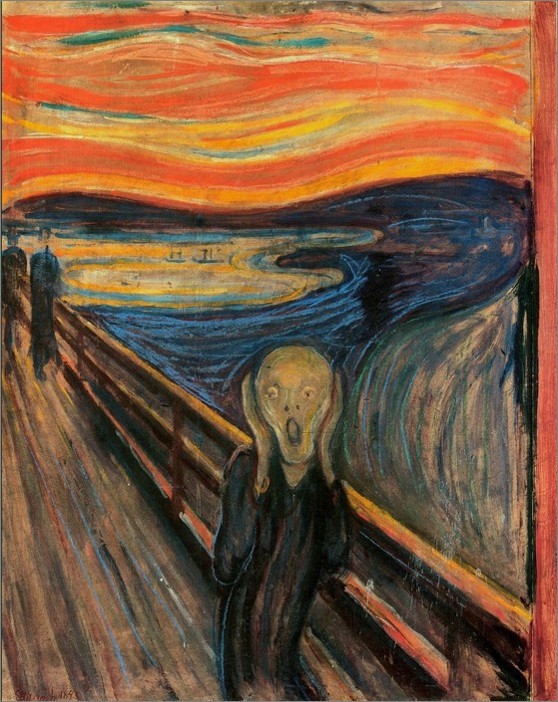
=> 爱德华·蒙克(Edward Munch)【挪威】,《呐喊》The Scream,1893
=> 古斯塔夫·克里姆特(Gustave Klimt)【奥】,《吻》The Kiss,1907 - 08
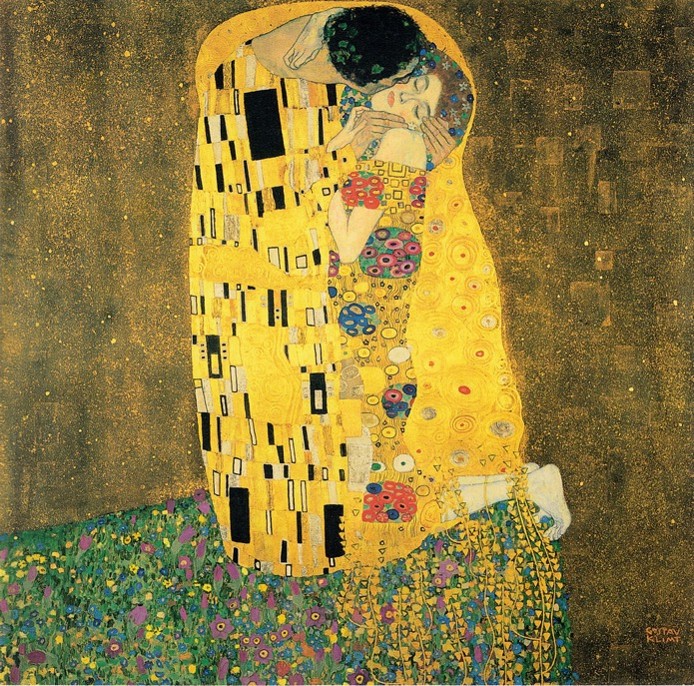
表现主义是一场现代主义运动,最初出现在诗歌与绘画中,起源于 20 世纪初前后的北欧地区。它的典型特征是完全从主观视角呈现世界,为了产生情感效果而对现实进行强烈、甚至激进的扭曲,以唤起特定的情绪或观念。表现主义艺术家旨在表达情感体验的「意义」,而不是物理现实本身。表现主义对个体与主观视角的强调,常被视为对实证主义(positivism)以及自然主义、印象派等其他艺术风格的一种回应。
本节名录
- 1890: James Whistler publishes The Gentle Art of Making Enemies(《树敌的优雅艺术》), arguing that the value of a painting lies purely in its aesthetic effect and that the subject matter is of no importance
As music is the poetry of sound, so is painting the poetry of sight, and the subject-matter has nothing to do with harmony of sound or of color.
… Art … should stand alone, and appeal to the artistic sense of eye or ear, without confounding this with emotions entirely foreign to it, as devotion, pity, love, patriotism, and the like. All these have no kind of concern with it and that is why I insist on calling my works “arrangements” and “harmonies.”
- 1897: the Vienna Secession (维也纳分离派) forms in Vienna, Austria; this is an association of progressive artists resisting the conservative taste of art academies