艺术的商业化
The commercialization of art.
- Increased commerce and wealth expanded the art business - 以荷兰共和国为代表,商业革命带来前所未有的富裕;形成了自由市场式的艺术经济。
- Art began to represent economic interests and values - 中产阶级所追求的价值(节俭,劳动,家庭,贸易,科学)被视觉化为艺术主题。
=>《钱商与他的妻子》Money-Changer and His Wife,Quinten Massys,1514,油画
佛兰德的国际主义
Internationalism in Flanders (1600-1700):佛兰德属尼德兰南部十省之一,仍处于西班牙哈布斯堡的统治,天主教为主。
彼得·保罗·鲁本斯(Peter Paul Rubens):跨国宫廷画师(international court painter)鲁本斯在安特卫普的工作室:欧洲最大的艺术生产中心之一,招聘大量学徒与助手。
- 西班牙哈布斯堡王室(菲利普四世)
- 奥地利哈布斯堡王室(玛丽亚·德·美第奇)
- 法国王室(路易十三,黎塞留)
- 意大利曼图亚公国(贡扎加家族)
- 英国王室(查理一世)
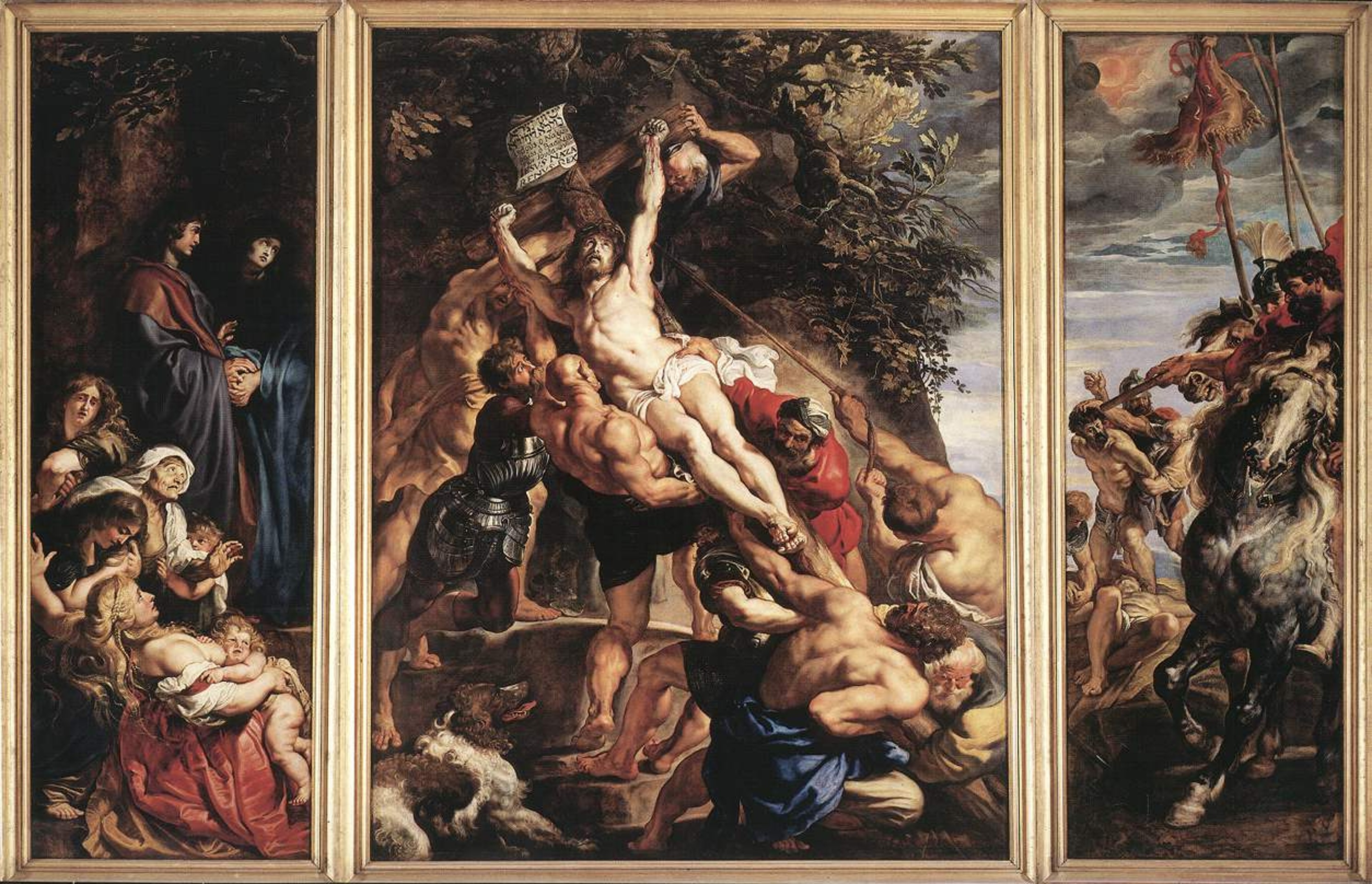
=>《上十字架》Raising of the Cross,1610,安特卫普圣母主教座堂祭坛画,油画
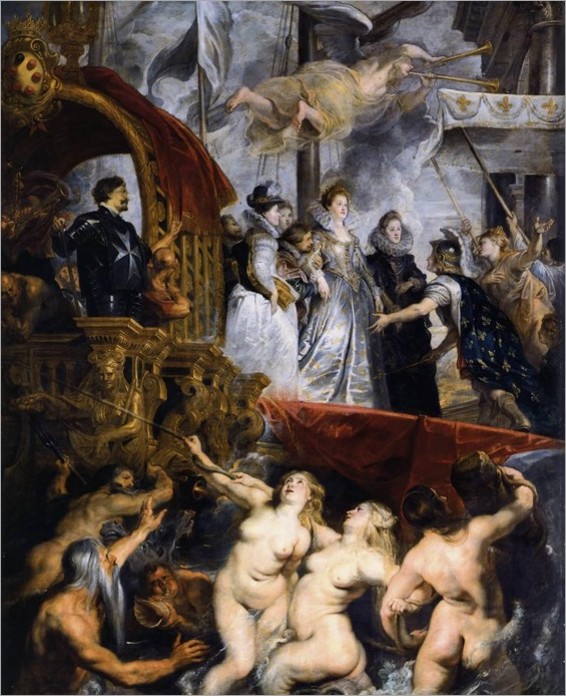
=>《玛丽·德·美第奇在马赛登陆》Arrival of Marie de Medici at Marseilles,1622-25,油画
鲁本斯盛赞范戴克为「我最好的学生」。
=>《查理一世狩猎像》Charles I Dismounted,c. 1635,油画:subtle compromise between gentlemanly nonchalance and regal assurance
=>《查理一世骑马像》Equestrian Portrait of King Charles I,1638,油画
尼德兰的民主现实主义
Democratic realism in the Netherlands (1600-1700)
荷兰共和国黄金时代(Gouden Eeuw):贸易兴盛的新教民主国家。
Painting this world: rise of genre, still life, and landscape - 新教不赞成宗教画的创作,尼德兰艺术转向「此世」:风俗画,静物画,与风景画(landscape 即源自荷兰语 landschap)=>《校长》The Schoolmaster,Adriaen van Ostade,1662,油画
=>《花卉静物画》Flower Still Life,Rachel Ruysch,early 1700s,油画
=>《从奥弗费恩沙丘眺望哈伦城》View of Haarlem from the Dunes at Overveen,Jacob van Ruisdael,c. 1670,油画
=>《绘画的艺术》Allegory of the Art of Painting, 1670-75, 油画
=>《倒牛奶的女仆》The Milkmaid, c. 1660, 油画
=>《持天平的女人》Woman Holding a Balance, c. 1664, 油画
=>《三棵树》The Three Trees, 1643, 蚀刻与雕刻版画 (etching and engraving on paper)
=>《夜巡》The Company of Captain Frans Banning Cocq (Night Watch), 1642, 油画
=>《以撒的牺牲》Sacrifice of Isaac, 1635, 油画
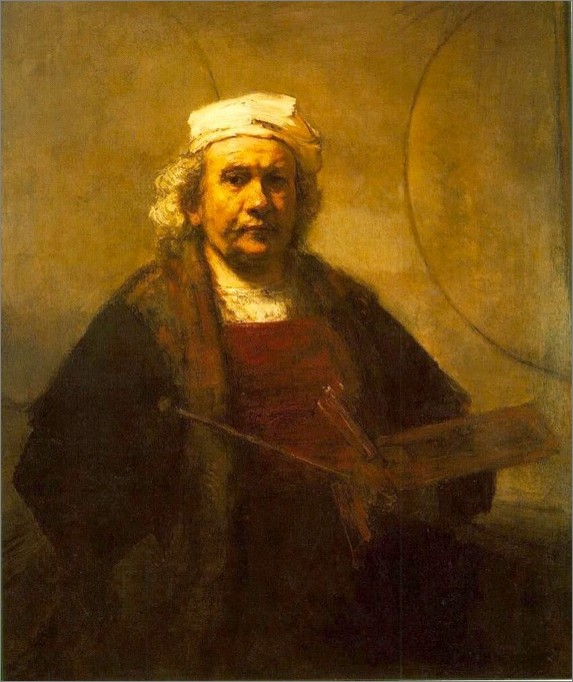
=> 伦勃朗的自画像系列,c. 1629, c. 1659-60, 1669
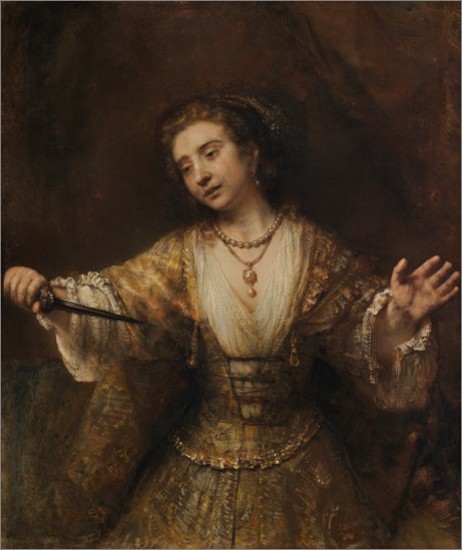
=>《卢克丽霞》Lucretia, 1664, 油画
法国的皇室宣传
Royal propaganda in France (1600-1700)
凡尔赛宫廷文化 (palace culture at Versailles)
- 凡尔赛宫扩建,三位巴洛克建筑师:路易·勒沃 (Louis Le Vau),朱尔·阿杜安-芒萨尔 (Jules Hardouin-Mansart),安德烈·勒诺特尔 (André Le Nôtre)
- 路易十四像 (Louis XIV)
法国绘画中的古典主义 (French classicism in painting)
=>《日耳曼尼库斯之死》The Death of Germanicus, Nicolas Poussin, 1627, 油画
=>《戴安娜使刻法洛斯与普洛克里斯重聚》Cephalus and Procris Reunited by Diana, Claude Lorrain, 1645, 油画
故事始于雅典,英俊的猎人刻法罗斯 (Cephalus) 与公主普洛克里斯 (Procris) 是一对令人艳羡的恩爱夫妻。然而,黎明女神欧若拉 (Aurora, 希腊名艾奥斯 Eos) 爱上了刻法罗斯并将他掳走。尽管刻法罗斯因思念妻子而拒绝了女神的求爱,但愤怒的欧若拉在放他归家时留下了一句恶毒的诅咒,在他心中种下了怀疑的种子。回到家后,被嫉妒冲昏头脑的刻法罗斯乔装打扮,试图试探妻子的忠诚。当普洛克里斯在巨大的诱惑和谎言面前产生动摇时,刻法罗斯愤怒地揭露了身份。羞愧难当的普洛克里斯无法面对丈夫的指责,绝望地逃离了家园,躲进深山投奔了狩猎女神戴安娜 (Diana,希腊名阿尔特弥斯 Artemis)。
在山林中,普洛克里斯成为了戴安娜最宠爱的侍女之一。然而,随着时间的推移,无论是出于普洛克里斯对丈夫的思念,还是戴安娜对这段凡人姻缘的怜悯,女神决定介入调停。戴安娜亲自护送普洛克里斯回到刻法罗斯身边,消除了他们之间的隔阂。为了表达爱意与和解,普洛克里斯将戴安娜赐予她的两件神物转送给了丈夫 —— 一只绝不会跟丢猎物的猎犬「莱拉普斯」(Laelaps),以及一支投出后必中目标且会自动飞回手中的神标枪。两人破镜重圆,重拾了往日的甜蜜。
然而,悲剧的阴云并未散去,命运跟他们开了一个残酷的玩笑。和好后的刻法罗斯依旧热爱打猎,每当他在烈日下感到疲惫时,总习惯对着空气呼唤「微风」(Aura),以此来求得凉爽。然而,这一举动被好事者误解,告诉了普洛克里斯,说她的丈夫在林中呼唤情人的名字。这次轮到普洛克里斯被嫉妒吞噬,她悄悄跟踪丈夫进入森林,躲在灌木丛中想要抓个现行。
当刻法罗斯再次呼唤微风时,悲伤的普洛克里斯在灌木丛中发出了一声悲哀的呜咽。以为林中藏着野兽的刻法罗斯,出于猎人的本能,毫不犹豫地掷出了那支妻子送给他的、百发百中的神标枪。标枪精准地穿透了灌木,却刺穿了普洛克里斯的胸膛。当刻法罗斯冲过去时,才发现倒在血泊中的竟是自己的挚爱。她临终无力地睁开了眼睛,勉强地说出了这番话:「我求你,如果你爱过我的话,如果我确实值得你爱的话,我的夫君,答应我最后的一个请求吧,千万不要跟这个可恶的 Aura 结婚!」说著,经过一番解释,普洛克里斯终于在临死前才知道真相,躺在丈夫的怀抱中死去了。
本节名录
- 1602: the Dutch East India Company (东印度公司) is formed, leading to the Netherlands’ leadership in trade with east Asia
- 1609: the Dutch Republic achieves independence from Spain and forms a new Protestant, democratic nation
- 1648: King Louis XIV in France founds the Royal Academy of Painting and Sculpture (Académie royale de peinture et de sculpture,皇家绘画与雕塑学院), Europe’s first formal, national academy for art training
- etching (蚀刻): a printmaking technique in which lines are scratched through a resin film (树脂薄膜) on a metal plate; the plate is then dipped in acid to burn the lines into the plate; then it’s inked and printed in a high-pressure printing press as in engraving